In Memoriam: Deirdre Dundas-Grant
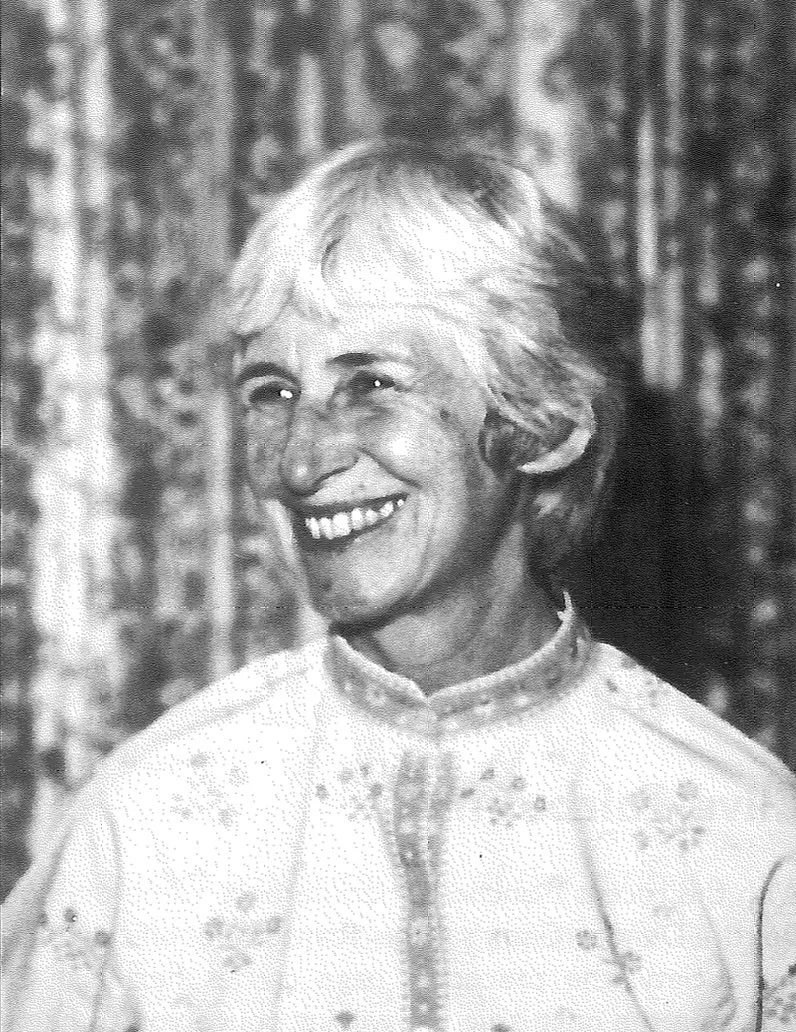
We are saddened to hear of the death of Deirdre Dundas-Grant, former Chair of BDRS (1999-2002) and a much loved member of the double reed community. Deirdre made an enormous contribution to double reed playing and teaching over many years, and her warmth, enthusiasm, and dedication touched countless colleagues, students, and friends.
We extend our sincere condolences to her family and all who knew her. We hope to celebrate Deirdre’s life and achievements more fully in a later issue of Double Reed News in 2026. In the meantime, below are some memories of Deirdre from BDRS’ two Presidents.
Roger Birnstingl writes:
“When touring with the ECO in South and Central America, I remember being in the town square in Oaxaca with Deirdre listening to the marvellous local police marimba band. Deirdre remarked, ‘when you hear such playing and look at the faces of the policemen you see absolute dedication and love of what they are playing’. This is exactly what one could say of Deirdre when she played her bassoon it was as if nothing else mattered in the world except what she was doing. One of the greatest of the London bassoonists of her generation but banned from so many of the great London orchestras such as the LPO, the LSO and the RPO, something that fortunately has changed many decades ago and must be nearly unbelievable for young musicians today. The all-female Portia Wind Ensemble was a mainstay for many of the superb musicians excluded from the orchestras and Deirdre was a founder of Sheba Sound, a quartet of two oboes, bassoon and harpsichord. Both of these groups were a mainstay of classical music in London for a great many years.
I think the first time I met Deirdre was in the mid-50s when, in the summer, I was invited to play a wind ensemble concert in a garden in Hampstead. This included Neil Black and Thea King who subsequently organised similar concerts in a sunny Bloomington square almost every summer with the same musicians. I don’t think Deirdre ever made a mistake and to sit with her was pure pleasure and a lesson for me. Sadly, when I went to Switzerland to bassoon and mountaineer, there were far fewer chances to play with Deirdre. However on almost every subsequent visit to England I would try to get down to her lovely, far-viewing house in Wimbledon for chats, walks and seeing various Geneva Conservatoire students studying in London and lodging with her in her top floor flat.
Deirdre had a lust for life, loving her music, her family, her colleagues and finding pleasure in every day. She loved travelling too. For example, after experiencing Mexico with the ECO she had at least one further trip to the country with Ursula Jones.
Finally I would say that in our marvellous music making profession, one of the most special colleagues I have ever met was Deirdre Dundas-Grant.”
And Nicholas Daniel OBE writes:
“Shortly after I won the BBC Competition in 1980 I was contacted by Michael Dobson, who was to become one of my teachers at the Royal Academy, who asked me to play under him with the Thames Chamber Orchestra at the Fishguard Festival. I was to play various things including a Vivaldi Double concerto with a bassoonist from the group. Of course it was Dierdre.
I will never forget my first meeting with her at rehearsal. She was so incredibly kind and enthusiastic about playing with me, and we sorted out all sorts of wild ornaments together to play in the Vivaldi. I shall never forget how RESONANT her sound was, I had never played with a bassoonist with that sort of sound and I loved it!
We became friends and she was always extremely supportive and kind to me.
Later on I found that she had been, with Thea King, a founder of the all female Portia Wind Ensemble, and of The Sheba Sound. I remember she showed me a photo of the Portias, who played all sorts of new music, and I was slightly amazed but thrilled to see that it was all female.
The last time I saw this great lady was at the National Youth Orchestra’s Royal Festival Hall concert, and at the reception she almost grabbed Sir George Benjamin by the lapels insisting that he cease writing his opera forthwith and write for the bassoon and the oboe instead!
She was the kind of human and musician that one rather fears we might not see her like again.”